The Soul of Mexico: How Garden Rooms Blend History, Culture, and Cuisine
The Soul of Mexico: How Garden Rooms Blend History, Culture, and Cuisine
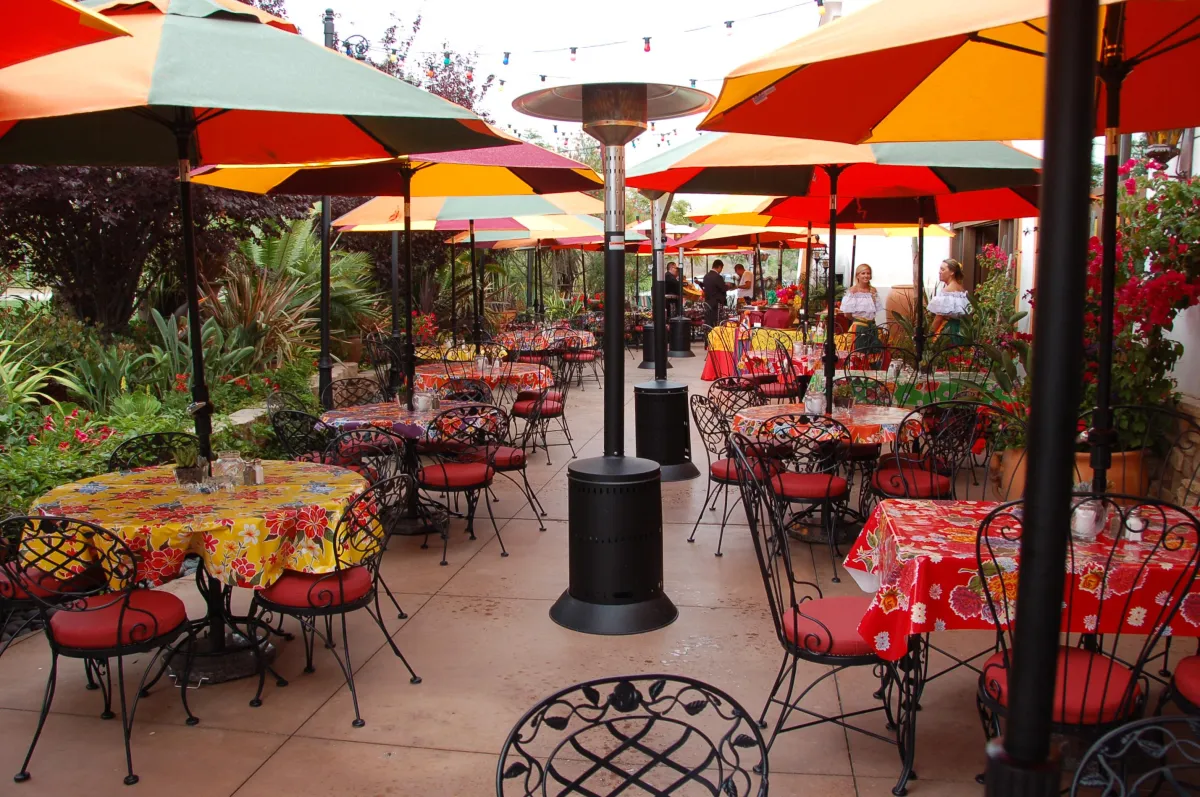
Step into any of Diane Powers’ Bazaar del Mundo restaurants, and you're immediately transported. It’s not just the vibrant colors, the rich aromas, or the lively music. It's the seamless transition from indoors to outdoors, where lush patios and verdant garden rooms invite you to dine under the open sky. This experience isn't merely a design choice; it's a heartfelt homage to a centuries-old tradition that lies at the very core of Mexican culture. The garden room, or patio, is a living symbol of the beautiful fusion between indigenous heritage and Spanish influence, a space where nature, family, and community converge.
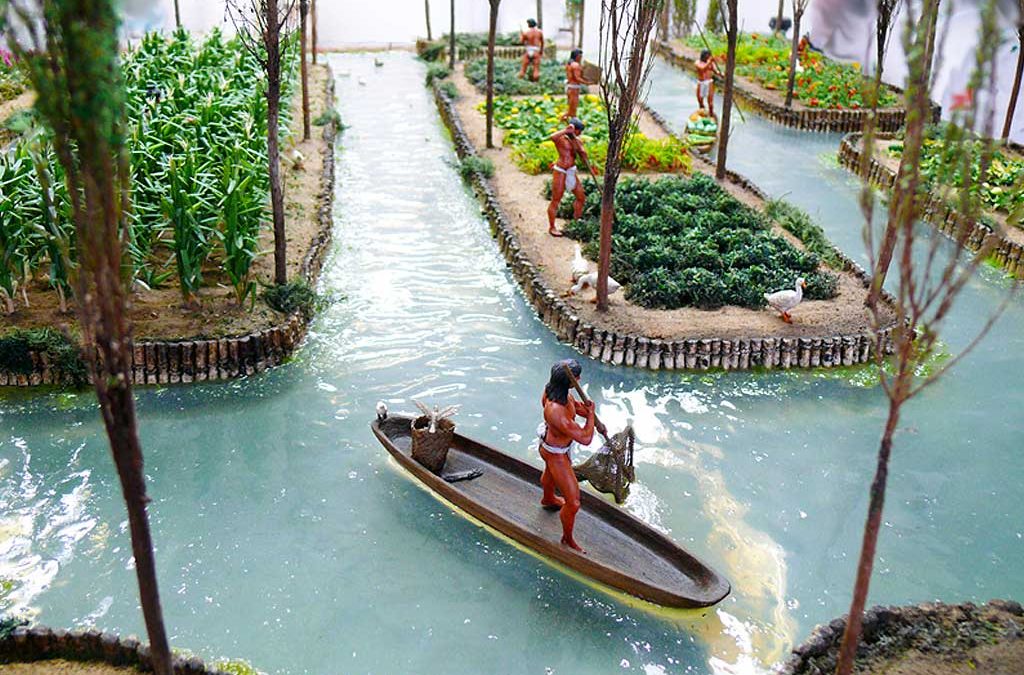
To understand the significance of the garden room, we must first look back to the sophisticated civilizations of pre-Columbian Mexico. The Maya and the Aztecs were not just master architects and astronomers; they were also advanced horticulturists. Their gardens were not simply for decoration. They were meticulously planned, functional spaces that sustained entire communities. Known as chinampas or "floating gardens," the Aztec's ingenious agricultural system involved creating fertile plots of land on shallow lake beds, where they cultivated a diverse array of crops. These gardens were a lifeline, producing everything from maize, beans, and squash for sustenance to marigolds and dahlias for ceremonial and ornamental purposes. For these ancient cultures, the garden was a place of practicality and profound spiritual connection. A space where they grew food, medicine, and beauty in harmonious balance.
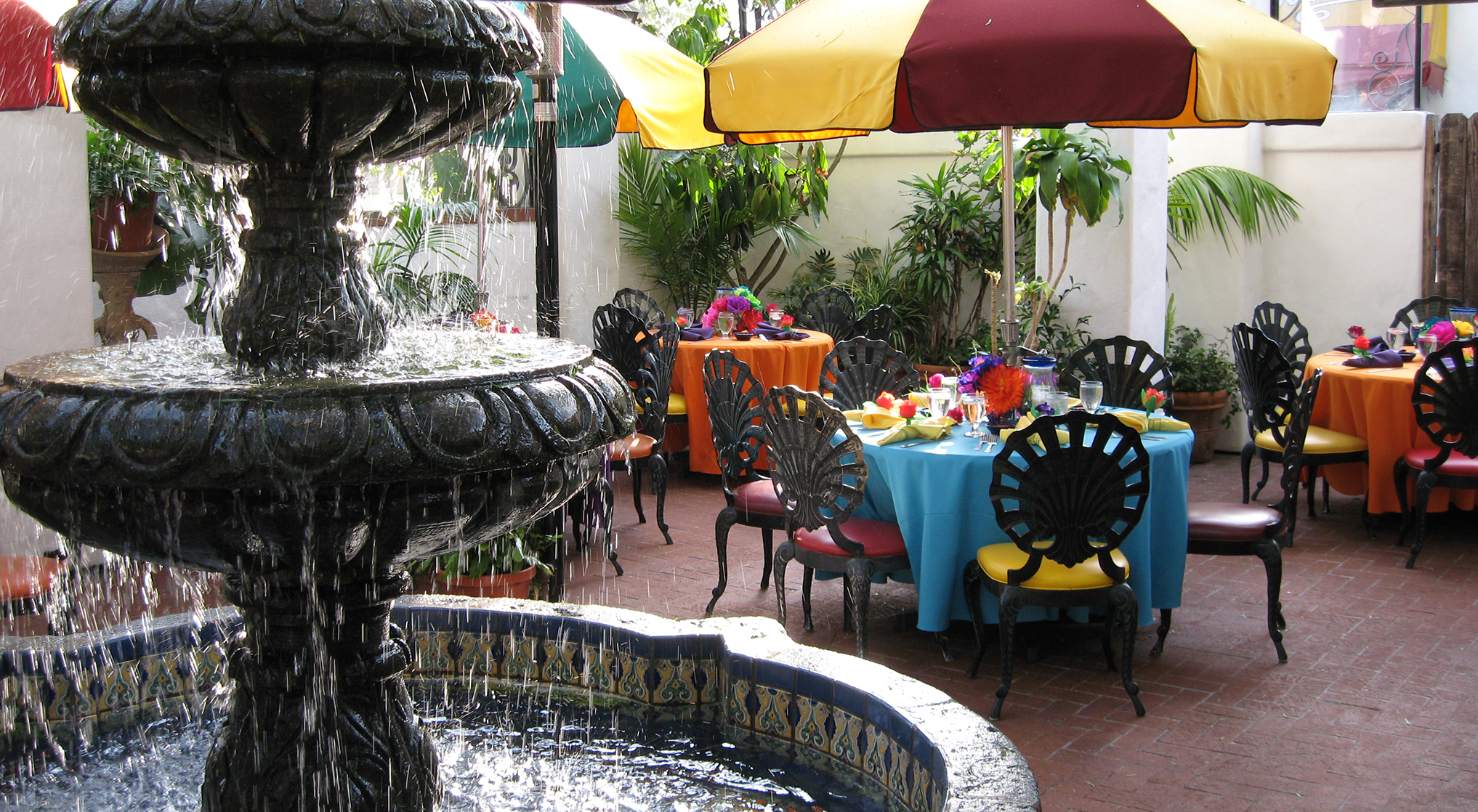
When the Spanish arrived in the 16th century, they brought with them their own architectural and horticultural traditions, deeply influenced by Moorish design from their own history in the Iberian Peninsula. The Spanish introduced the concept of the enclosed courtyard, a central feature of Mediterranean and Andalusian homes designed to provide a private, tranquil oasis shielded from the sun and the outside world. These courtyards were often adorned with arched doorways, intricate tile work known as talavera, and the soothing sound of flowing fountains, elements designed to cool the air and calm the soul.
The fusion of these two powerful traditions gave birth to the quintessential Mexican garden room. Indigenous knowledge of native plants and sustainable cultivation blended with Spanish architectural aesthetics. The result was a unique and vibrant space that was both functional and breathtakingly beautiful. Courtyard gardens became a defining feature of Mexican homes, haciendas, and public buildings. They were no longer just a place to grow food but had evolved into the social heart of the home. These open-air living spaces became the primary gathering places for families and communities, fostering social interaction, cultural exchange, and a deep connection to nature. Here, stories were shared, meals were enjoyed, and life’s most important moments were celebrated under a canopy of bougainvillea and jacaranda trees.
It is this spirit of community, history, and connection that Diane Powers has so thoughtfully woven into the fabric of each of her restaurants. Her decision to incorporate expansive garden rooms is a deliberate celebration of this rich cultural heritage. She understood that to create an authentic Mexican dining experience, the ambiance had to be as genuine as the cuisine. For Diane, a restaurant is more than just a place to eat; it's a place to gather, to share, and to create memories.

https://sandiegomagazine.com/everything-sd/people/celebrating-women-diane-powers/
At Casa de Bandini, the garden rooms are central to the dining experience. Walking through these spaces, you are enveloped by the sights, sounds, and scents of a traditional Mexican patio. Flowing fountains provide a gentle, melodic backdrop, their intricate tile work glinting in the sunlight. Wrought-iron benches invite moments of quiet reflection, while hand-painted ceramics and vibrant textiles add layers of color and artistry. The gardens themselves are a riot of life, with lush palms, fragrant flowers, and trailing vines creating a sense of seclusion and enchantment. Dining in these spaces feels less like being in a restaurant and more like being a welcome guest in a grand Mexican home.
This intentional design choice reflects a deep appreciation for how these spaces function in Mexican culture. They are places of joy and togetherness, where the lines between indoors and outdoors blur, creating a relaxed and convivial atmosphere. By making the garden room a cornerstone of her restaurants, Diane Powers invites her guests to partake in this cherished tradition. She provides a setting where friends and family can connect not just over a plate of delicious food, but within an environment that nurtures conversation and celebration. The spirit of the ancient Aztec gardens and the Spanish courtyards lives on, fostering the same sense of community and cultural exchange that has defined them for centuries.
https://locations.bdmrestaurantgroup.com/
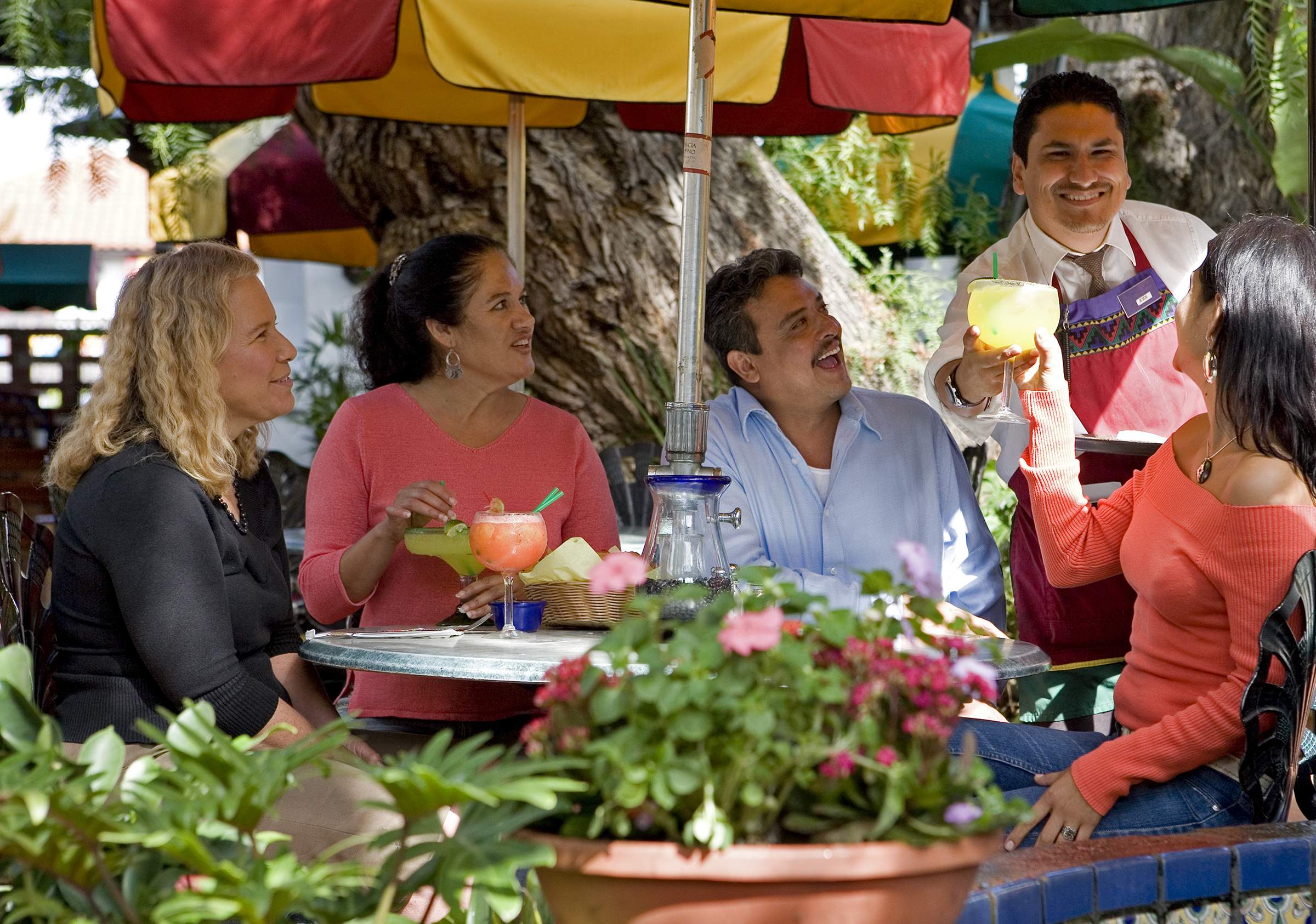
So, the next time you find yourself dining on a sun-drenched patio at one of Diane's restaurants, take a moment to look around. See more than just a beautiful garden. See a living piece of history. A tribute to the fusion of two remarkable cultures and a testament to the enduring power of a space designed to bring people together. You are experiencing the true soul of Mexico, right in the heart of your dining experience.