The Vibrant Textiles of Casa de Bandini
The Vibrant Textiles of Casa de Bandini: A Celebration of Latin American Heritage
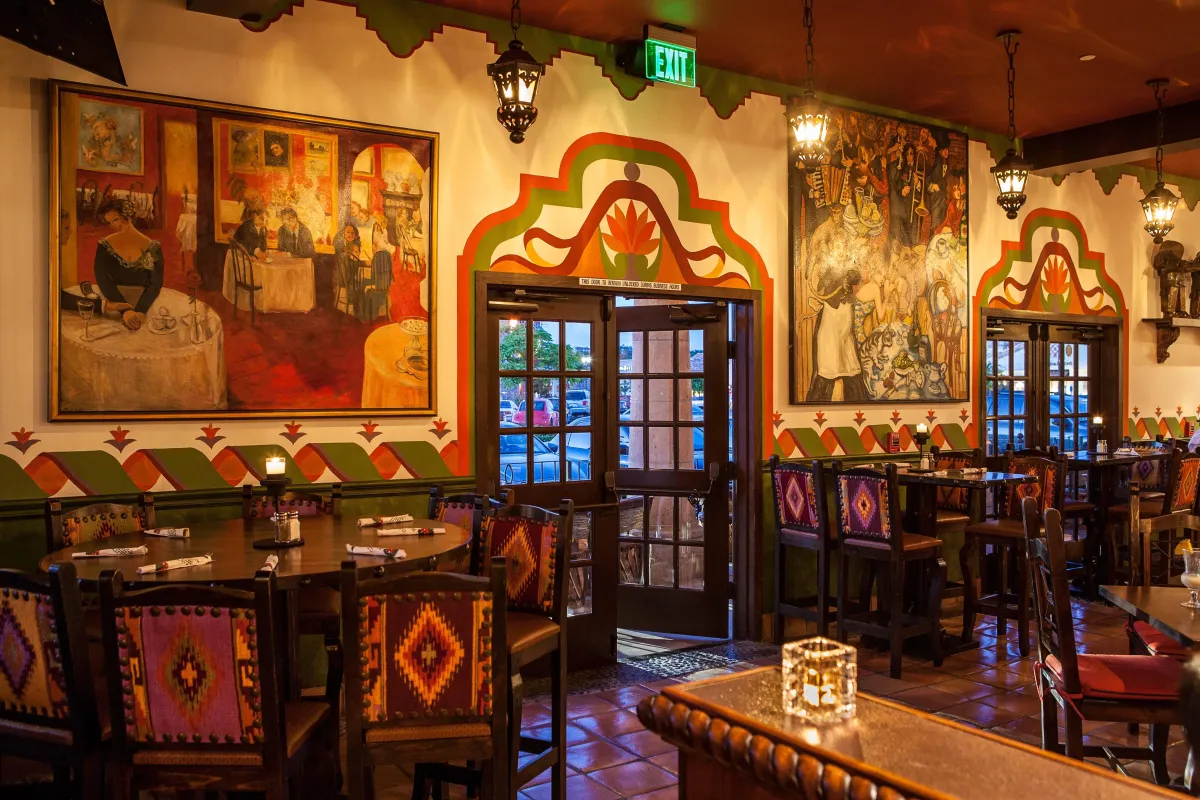
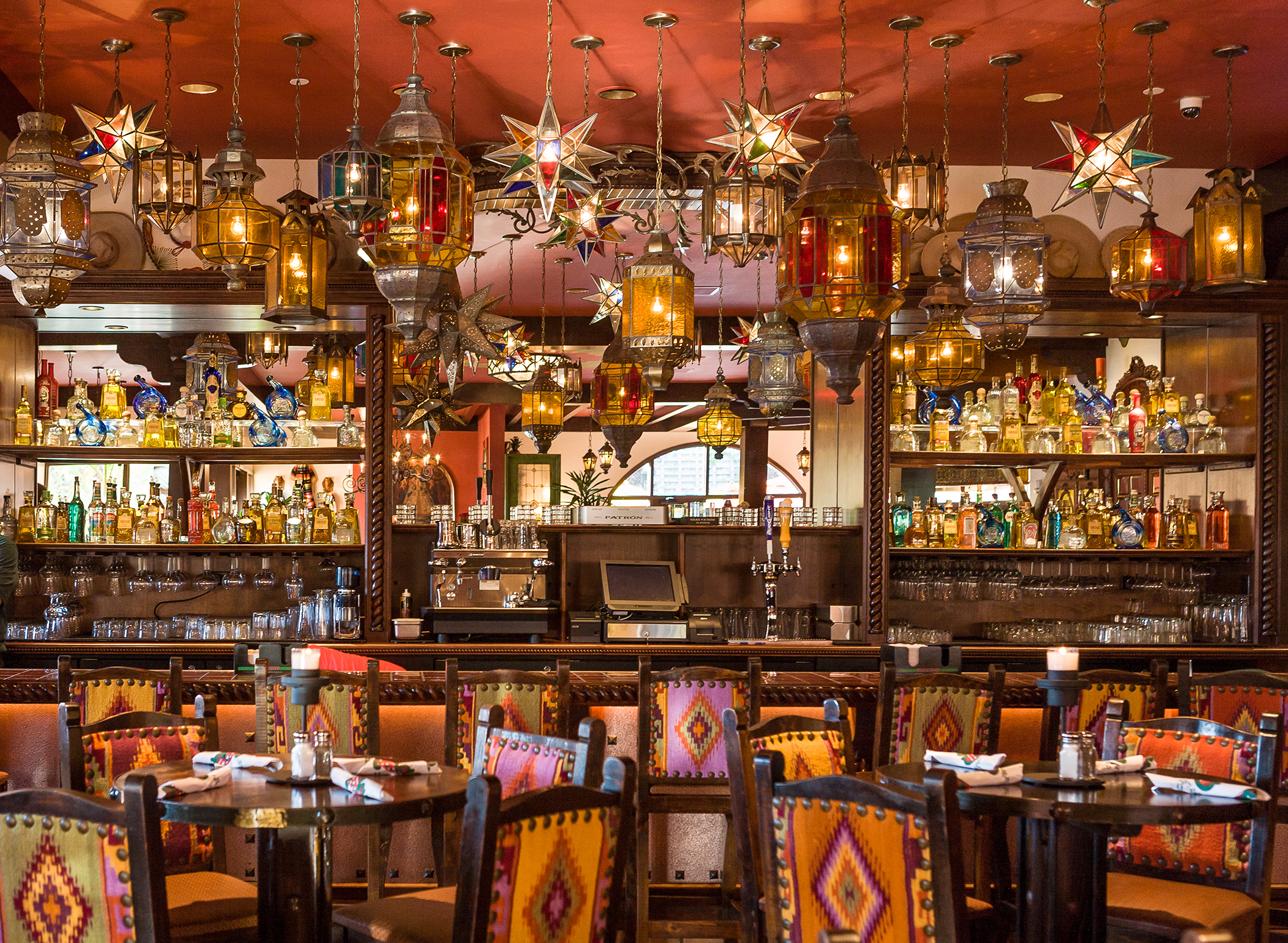
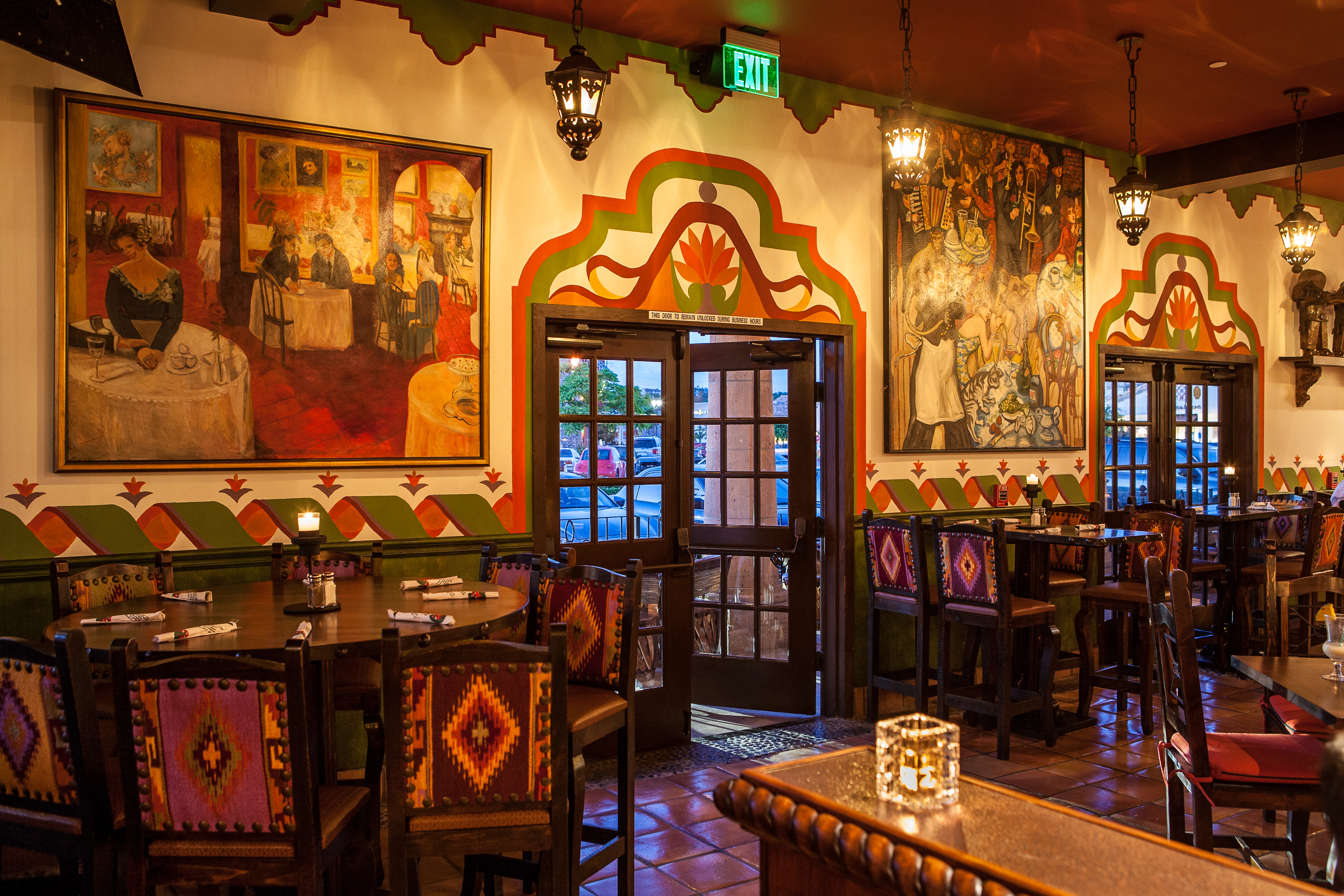
When you step into Casa de Bandini, one of Diane Powers’ beloved restaurants, you’re not just welcomed by the aroma of freshly prepared Mexican cuisine. You’re also greeted by the vibrant colors, intricate patterns, and rich textures of textiles from across Latin America. Every detail of the restaurant’s interior has been thoughtfully curated to reflect the beauty and diversity of Latin American culture, and nowhere is this more evident than in the fabrics that adorn the booths, chairs, and décor throughout the space.
https://casadebandiniblog.com/the-history-of-casa-de-bandini-by-diane-powers/
The vision Diane Powers, renowned for her exceptional eye for design and her love for the Mexican and Latin cultures, has shaped every corner of Casa de Bandini. Her passion for creating visually stunning and culturally authentic spaces is clear in her dedication to incorporating textiles inspired by the many regions of Latin America. The result is an atmosphere that not only complements the menu but also tells a story of the artistry and heritage behind the vibrant cultures of the region.
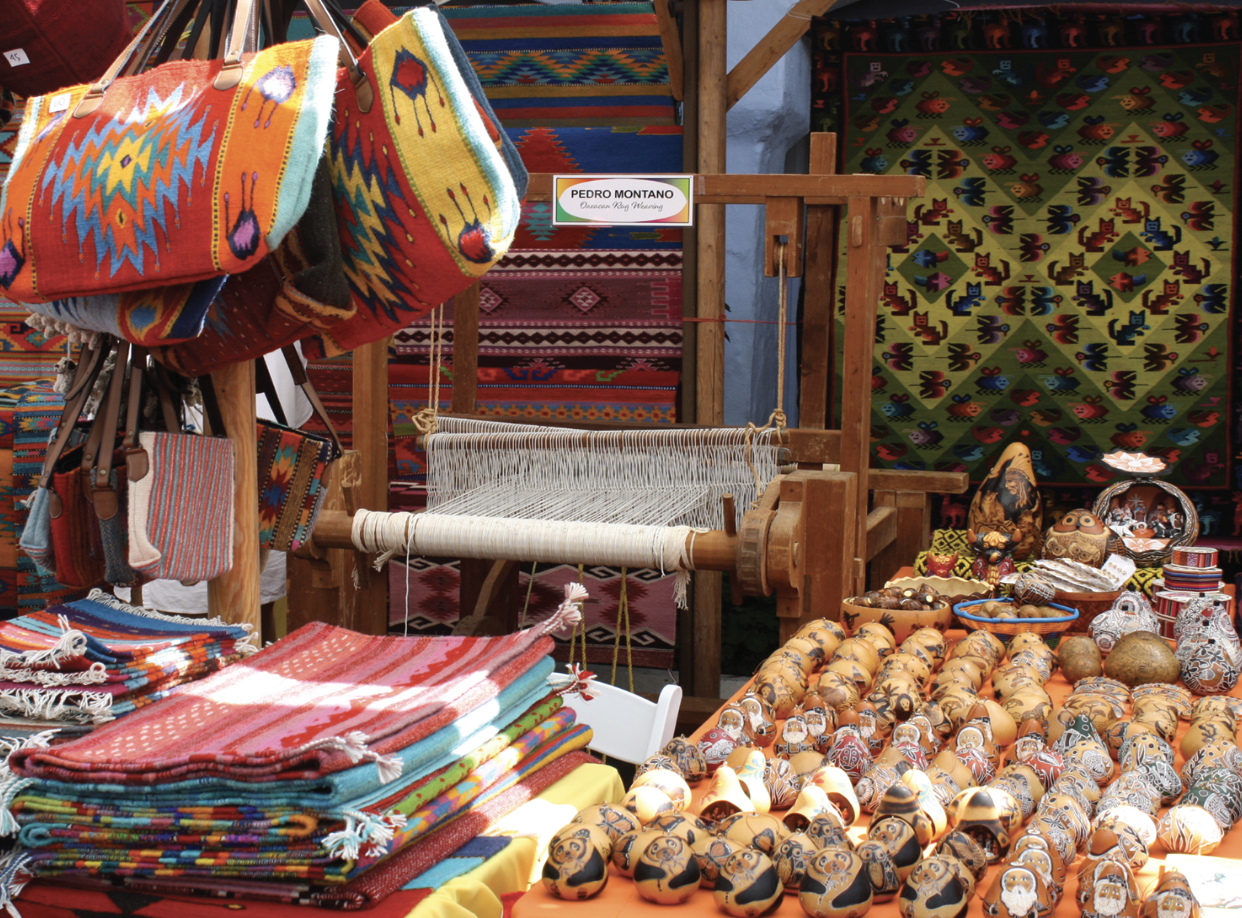
Latin America boasts a rich history of textile production, with techniques and patterns passed down through generations. From the intricate weaving of the Mayans in Guatemala to the bold embroidery of Oaxaca in Mexico, each region has its own unique style and symbolism. Diane Powers wanted to honor this diversity by incorporating textiles that showcase the artistry of different communities.
The booths and chairs at Casa de Bandini are upholstered with fabrics that feature these traditional designs, creating an inviting and colorful dining environment. For example, you might notice the geometric patterns and bold colors reminiscent of the Zapotec weavings from Oaxaca, known for their vibrant reds, yellows, and blues. These pieces often draw inspiration from the natural world, such as mountains, rivers, and animals, and give a strong sense of cultural identity to the space.
https://brokenbootstravel.com/how-zapotec-rugs-are-made/
Each textile at Casa de Bandini represents a journey through the many regions of Latin America, where the tradition of weaving and fabric-making is deeply rooted in the lives of local artisans.
In Mexico, for instance, serapes are a staple of traditional textile design. These versatile, colorful blankets are woven with bold stripes and have been used for centuries as garments, blankets, and ceremonial items. At Casa de Bandini, serape-inspired fabrics make an appearance, adding warmth and authenticity to the décor. The serape itself is a nod to Mexico’s colonial history, where indigenous weaving techniques blended with Spanish influences to create something entirely unique.
From Guatemala, the restaurant also incorporates textiles inspired by Mayan weaving traditions. These fabrics are known for their intricate, handwoven patterns and vivid colors, each one telling a story about the weaver’s identity, village, or local traditions. These pieces bring a sense of history to the dining space, celebrating the legacy of craftsmanship that continues to thrive today.
In the Andes region, particularly in Peru and Bolivia, alpaca and wool textiles are common, often adorned with detailed designs and symbols that reflect the Andean environment and cosmology. While dining at Casa de Bandini, you may notice upholstery or accents that echo these patterns, bringing a touch of the Andean highlands to Southern California.
The textiles at Casa de Bandini aren’t just decorative, they’re a celebration of the rich heritage and artistry of Latin America. Diane Powers has carefully selected fabrics that pay homage to the vibrant colors and bold patterns that define the region’s visual identity. These textiles serve as a bridge between the past and the present, showcasing the work of traditional artisans while complementing the modern dining experience.
https://bazaardelmundo.com/event/latin-american-market/
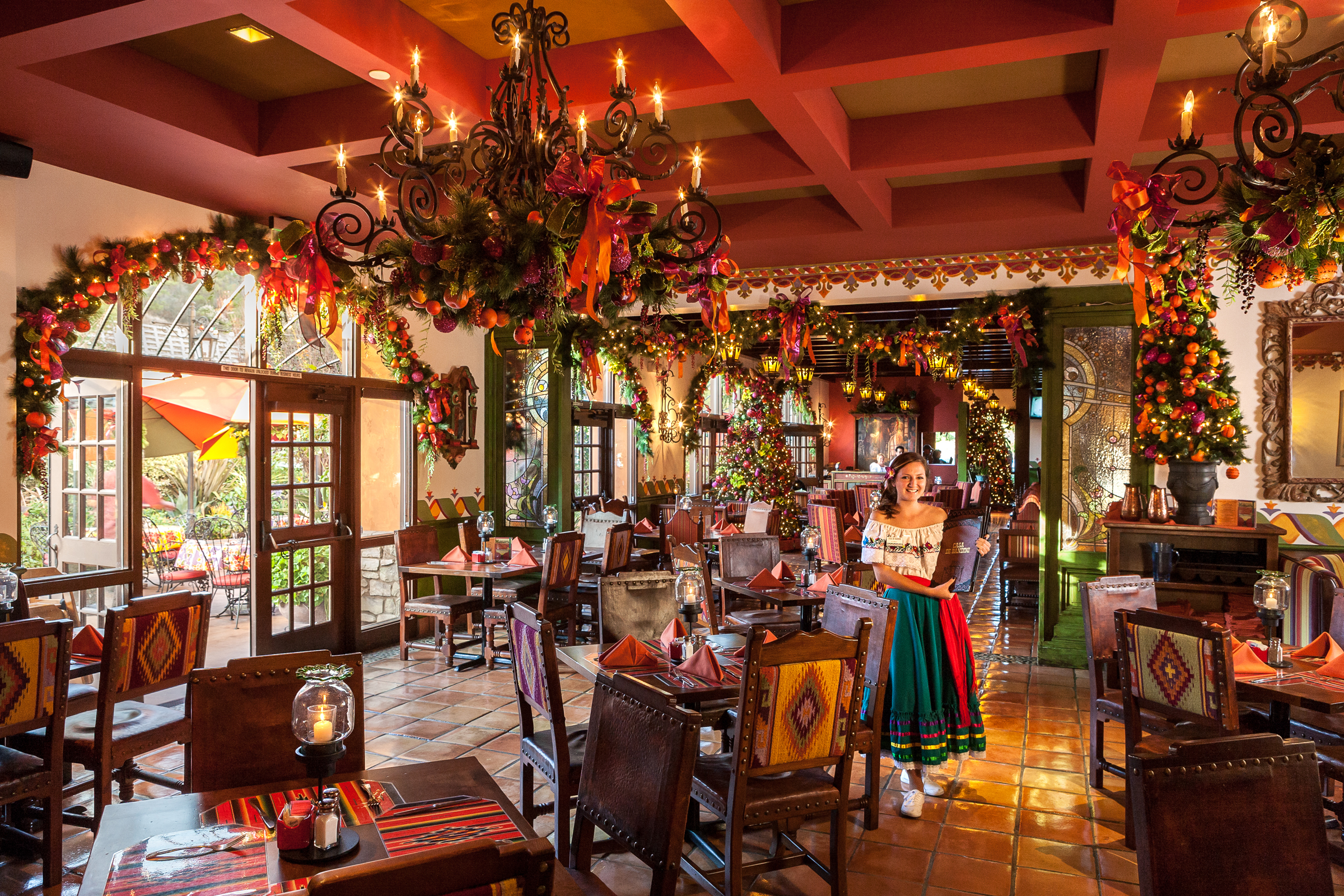
The use of textiles throughout the restaurant also speaks to Diane Powers’ belief in creating spaces that feel warm, welcoming, and authentic. The booths and chairs, wrapped in these beautiful fabrics, invite guests to sit and stay awhile, encouraging them to soak in the ambiance as they enjoy a meal. It’s a true feast for the senses, where the textures and colors of the décor work in harmony with the flavors of the cuisine.
Diane Powers’ love for textiles isn’t just about aesthetics, it’s also about supporting the artisans who create them. Many of the textiles found throughout Casa de Bandini are sourced from communities in Latin America, helping to sustain traditional crafts and provide economic opportunities for local weavers and artisans. This commitment to ethical and sustainable design adds another layer of meaning to the restaurant’s décor, making it not only beautiful but also impactful.
By incorporating these textiles, Casa de Bandini becomes a space where guests can appreciate the skill and creativity of artisans from across Latin America. It’s a reminder of the importance of preserving these cultural traditions and the vital role they play in the region’s identity.
Dining at Casa de Bandini is about more than just the food, it’s about being immersed in a rich tapestry of culture, tradition, and artistry. The textiles that adorn the booths and chairs play a key role in creating this experience, surrounding guests with the beauty and history of Latin America. Diane Powers’ vision for the space ensures that every detail, from the upholstery to the table settings, reflects the vibrant spirit of the region.
https://theforumcarlsbad.com/stores/casa-de-bandini
So, next time you visit Casa de Bandini, take a moment to admire the fabrics around you. Each one tells a story, weaving together the cultural heritage of Latin America with the welcoming atmosphere of this beloved restaurant. It’s a celebration of color, craft, and community and it’s all part of what makes Casa de Bandini such a special place to dine.